Scroll-triggered popups are website popups that appear when users scroll to a specific point on a webpage. Unlike traditional popups that interrupt visitors immediately, scroll-triggered popups engage users after they show interest in content. This makes them less intrusive, improves user experience, and increases conversions.
Modern users expect smooth browsing experiences. Traditional popups often appear too early, interrupting visitors before they understand your content. This leads to frustration, higher bounce rates, and lost conversions. Scroll-triggered popups solve this problem by appearing at the right moment when visitors are already engaged.
Whether you’re building your email list, promoting products, or generating leads, scroll-triggered popups provide a powerful and user-friendly solution that aligns with user behavior.
What Are Scroll-Triggered Popups?
Scroll-triggered popups are popups that appear after users scroll a specific percentage down a webpage. The idea is simple: if someone scrolls, they’re interested. That makes them more likely to respond to your offer.
Example Scroll Triggers
- 25% scroll — Early engagement
- 50% scroll — Moderate interest
- 75% scroll — High engagement
- 90% scroll — Highly qualified visitors
This strategy ensures your pop-up appears at the right time.
Why Scroll-Triggered Popups Work So Well
Most visitors don’t hate popups; rather, they hate being interrupted at the wrong moment.
Scroll-triggered popups work because they fix that timing problem and respect user behavior.
“I Hate Popups That Interrupt Me Immediately”
One of the biggest frustrations users have is being hit with a popup the second they land on a page. They haven’t read anything yet, they don’t trust you, and suddenly they’re being asked to subscribe or buy.
Scroll-triggered popups solve this by waiting.
They appear only after users have:
- Started reading
- Found some value
- Built a tiny bit of trust
This removes that “forced interaction” feeling and replaces it with something that feels earned.
“Why Should I Care About This Offer?”
Users ignore most popups because they feel irrelevant. If someone is reading about SEO tips and suddenly sees a generic “Join our newsletter,” it feels disconnected.
Scroll-triggered popups fix this pain by matching timing with context.
When a user scrolls deep into a section:
- You know what they’re interested in
- You can show a highly relevant offer
So instead of random messaging, users see something that actually relates to what they’re already consuming.
“Popups Always Feel Pushy”
Traditional popups feel like a salesperson jumping in your face. Users don’t like being pressured before they’re ready.
Scroll-triggered popups feel different because:
- They appear after engagement
- They don’t interrupt the initial experience
- They align with user behavior
This taps into the psychology explained by Robert Cialdini—once users take a small action (like scrolling), they’re naturally more open to the next step.
So instead of “push,” it feels like a logical continuation.
“I Was Just Browsing… Why Are You Asking Me to Commit?”
Users don’t want to make decisions too early. When a popup appears instantly, it creates friction because:
- They’re not ready
- They don’t understand the value yet
- It feels like a commitment too soon
Scroll-triggered popups remove this pressure by delaying the ask.
By the time the popup appears:
- The user has context
- The value is clearer
- The decision feels easier
“Most Popups Are Easy to Ignore”
Banner blindness is real. Users have trained themselves to ignore anything that looks like an ad or popup.
But scroll-triggered popups break this pattern because they:
- Appear dynamically (not instantly)
- Catch users mid-engagement
- Feel tied to behavior
This pattern interruption makes users pause and notice, instead of automatically ignoring.
“I Get Lost or Distracted While Reading”
Sometimes users scroll without a clear next step. They consume content but don’t know what to do afterward.
Scroll-triggered popups solve this by acting as a guided next action:
- Download a checklist
- Join a list
- Explore a product
Instead of leaving users passive, they gently redirect them into your funnel.
“I Was Interested… But I Left Without Taking Action.”
A huge pain point for businesses is losing engaged visitors who simply leave without converting.
Scroll-triggered popups address this by:
- Engaging users before they lose interest
- Capturing attention at peak engagement
- Offering value at the right moment
This is why they often outperform tools like exit-intent popups—they don’t wait until it’s too late.
“Popups Ruin My Mobile Experience”
On mobile, aggressive popups are even worse:
- They block the screen
- They’re hard to close
- They frustrate users instantly
Scroll-triggered popups improve this by:
- Appearing after interaction
- Feeling less intrusive
- Being easier to design responsively
Tools like OptinCraft and Elementor allow precise control, so popups feel smoother across devices.
Scroll-Triggered Popups vs Traditional Popups
| Feature | Scroll-Triggered Popups | Traditional Popups |
|---|---|---|
| User Experience | Excellent | Poor |
| Timing | Smart | Immediate |
| Conversion Rate | High | Moderate |
| Bounce Rate | Low | High |
| Engagement | Strong | Weak |
Scroll-triggered popups outperform traditional popups because they respect user experience.
When to Use Scroll-Triggered Popups
Scroll-triggered popups appear when a user scrolls to a certain point on your webpage. When used correctly, they can increase engagement without interrupting the user experience.
i. Show popups after user shows interest
Use scroll-triggered popups after someone scrolls about 30–70% of your page. At this point, visitors are already engaged with your content, which makes the pop-up feel more natural and less intrusive. This approach usually leads to higher conversion rates.
For example, in a blog post, you might include a message inviting readers to subscribe to more tips. On a product page, you could offer a discount for first-time buyers.
ii. Perfect for long-form content
Scroll-triggered popups work best on longer pages where users are actively reading or exploring. Blog posts, tutorials, landing pages, and case studies are ideal places to use them.
When users reach the middle of your content, you can introduce helpful offers, such as downloadable resources or additional content.
iii. Offer value at the right moment
Timing matters. Scroll-triggered popups should appear when users are ready to take the next step. After reading the benefits, you can offer a free trial. After product details, you can show a discount. After a helpful section, you can invite users to subscribe.
This makes the pop-up feel helpful instead of distracting.
iv. Lead generation without being annoying
Scroll-triggered popups are less disruptive than popups that appear immediately or when users try to leave. Because they appear naturally during reading, they feel more relevant and user-friendly.
This makes them effective for collecting emails and generating leads.
v. Highlight important content
Scroll-triggered popups are great for promoting valuable content such as free guides, special discounts, newsletter signups, or new features. When shown at the right moment, they encourage users to take action without interrupting their experience.
Types of Scroll-Triggered Popups
Scroll-triggered popups come in different styles depending on your goal. Choosing the right type helps improve engagement without interrupting the user experience.
1. Percentage-based scroll popups
This is the most common type. The popup appears when a user scrolls to a certain percentage of the page, usually around 30–70%. Since users are already engaged, this type feels natural and less intrusive.
This works well for blog subscriptions, discounts, and lead magnets. It’s simple, effective, and widely used.
2. Section-based scroll popups
These popups appear when users reach a specific section of your page. For example, after users read product benefits or pricing details, you can show a relevant offer.
This method feels more personalized because the popup matches what users are currently reading. It’s great for landing pages and product pages.
3. Scroll depth means interest
This type triggers when users reach deeper scroll levels like 75% or 80%. These visitors are highly engaged, so they are more likely to convert.
This works well for:
- Free downloads
- Newsletter signups
- Special offers
Because the user has already invested time, the pop-up feels helpful rather than annoying.
4. Scroll-up triggered popups
These appear when users scroll up after reading content. This often signals that they are reviewing information or thinking about their next step.
This type is useful for:
- Reminder offers
- Subscription prompts
- Limited-time deals
It helps capture attention at a decision-making moment.
5. Scroll-triggered slide-ins
Instead of showing a full popup, a small box slides in from the corner as users scroll. This is less intrusive and keeps the browsing experience smooth.
Slide-ins work great for subtle promotions, blog subscriptions, or announcements.
6. Multi-step scroll popups
These popups appear in stages as users scroll further down the page. For example, one popup at 50% scroll and another near the bottom.
This approach works best on long pages where users consume more content.
Best Scroll Percentage for Popups
Choosing the right scroll percentage is crucial.
Recommended Settings
- 30% — Short content
- 50% — Blog posts
- 60–70% — Long content
- 80% — Highly targeted offers
Testing is essential for the best results.
Advanced Scroll-Triggered Popup Strategies
Advanced scroll-triggered popup strategies focus on timing, behavior, and personalization. When used correctly, these techniques can significantly increase conversions without hurting user experience.
Behavior-based scroll triggers
Instead of triggering popups at a fixed scroll percentage, behavior-based triggers analyze how users interact with your page. This includes scroll speed, pauses, and reading patterns.
For example, if a user slows down and spends more time in one section, you can trigger a relevant popup. This makes the experience feel smarter and more personalized.
Right message at the right scroll moment
Advanced strategies focus on showing different messages depending on where users are in their journey. Early scroll popups can introduce value, mid-scroll popups can build trust, and deep scroll popups can drive conversions.
This layered approach improves engagement without overwhelming users.
Scroll + time delay combination
Combining scroll depth with time delay creates more intelligent popups. For example, trigger a popup only after a user scrolls 50% and spends at least 20 seconds on the page.
This ensures you’re targeting users who are genuinely interested instead of casual visitors.
Device-specific scroll popups
Advanced setups show different popups for desktop and mobile users. Mobile popups should be smaller and less intrusive, while desktop popups can include more details.
This improves usability and prevents frustration, especially on smaller screens.
Returning visitor scroll popups
You can show different popups to returning visitors. If someone has already dismissed a popup before, show a new offer when they scroll again.
This keeps your messaging fresh and avoids repetition.
Scroll + exit intent hybrid strategy
Combine scroll-triggered popups with exit intent for maximum conversions. First, show a gentle scroll popup. If the user ignores it and later tries to leave, show a stronger offer.
This two-step strategy works especially well for lead generation.
Progressive scroll popups
Instead of one popup, show multiple smaller popups as users scroll deeper. Each popup adds more value, builds trust, and gradually encourages action.
This works particularly well for long landing pages and sales pages.
Smart frequency control
Advanced strategies limit how often popups appear. For example, show a popup once per session or once every few days.
This prevents popup fatigue and improves long-term engagement.
Conversion-focused strategy
Advanced scroll-triggered popups should always focus on relevance, timing, and value. When popups feel helpful instead of interruptive, users are more likely to engage and convert.
How Scroll-Triggered Popups Improve Conversions
Scroll-triggered popups are powerful because they appear at the moment users are engaged, making them far more effective than generic or immediate popups. Here’s how they boost conversions.
i. Capture engaged users
By triggering after users scroll partway through a page, these popups target visitors who are already interested. People who engage with content are more likely to take action, whether signing up for a newsletter, downloading a resource, or completing a purchase.
ii. Timing is everything
The timing of the popup matters. Showing an offer too early can annoy users, but appearing when they are mid-scroll or near the end makes the offer feel helpful and contextual. This increases click-through rates and reduces bounce rates.
iii. Provide contextual offers
Scroll-triggered popups can match the user’s position on the page. For example, after reading product features, a popup can show a discount; after reading a blog post, it can offer a free guide. Relevance drives higher conversions.
iv. Reduce intrusion
Unlike popups that appear immediately or on exit, scroll-triggered popups feel natural and less disruptive. Users are more receptive when they feel the popup is timed to their engagement, which improves trust and interaction.
v. Encourage micro-conversions
Even if the user doesn’t complete a purchase immediately, scroll-triggered popups can encourage smaller actions like newsletter signups, free trials, or resource downloads. These micro-conversions gradually build engagement that often leads to bigger conversions later.
vi. Optimize with analytics
You can track scroll depth, popup clicks, and conversions to refine the timing, message, and design. Adjusting based on real data ensures that popups continue to improve performance and conversion rates over time.
Scroll-Triggered Popups for Different Industries
Scroll-triggered popups can be customized to match the goals and audience of different industries. When tailored correctly, they boost engagement, leads, and sales without annoying users.
1. E-commerce & retail
For online stores, scroll popups are ideal for highlighting discounts, limited-time offers, or free shipping. For example, after scrolling through product details, a popup can offer 10% off first orders or showcase related products.
This encourages users to act while their interest is high.
2. Blogs & content sites
Blog readers respond well to popups offering newsletter signups, downloadable guides, or exclusive tips. After a reader reaches the middle of an article, a scroll-triggered popup can appear with:
“Enjoying this content? Get our full guide for free!”
This captures engaged readers without disrupting the flow of reading.
3. SaaS & software
Software and service websites can use scroll popups to promote free trials, demos, or feature highlights. For example, after a visitor scrolls through key features, a popup can invite them to start a free trial or book a demo.
Behavior-based triggers work especially well for SaaS, showing offers when users show genuine interest in features.
4. Education & online courses
Online course platforms can use scroll popups to encourage course signups, webinar registrations, or resource downloads. After scrolling through course benefits or curriculum, a popup can offer a free lesson or e-book, increasing lead generation.
5. Travel & hospitality
For travel websites, popups can offer special packages, early bird discounts, or newsletter subscriptions. For instance, after scrolling through destination details or travel guides, a popup can highlight a limited-time deal or seasonal offer.
This helps capture users who are already planning or considering a trip.
6. Health & fitness
Fitness and wellness websites can use scroll-triggered popups to promote free trials, newsletters, or downloadable plans. For example, after reading workout tips or nutrition guides, a popup can offer a 7-day free trial or meal plan download.
This keeps users engaged and increases conversions for memberships or subscriptions.
7. Real estate
Real estate websites can trigger popups after users scroll through property listings or details. Popups can offer to schedule a visit, download a brochure, or get a market report.
This approach targets users who are already exploring options, improving lead quality.
SEO benefits of scroll-triggered popups
While popups are often thought to hurt SEO, scroll-triggered popups, when used correctly, can actually support your search engine optimization efforts. The key is timing, relevance, and non-intrusiveness.
Reduce bounce rate
Scroll-triggered popups appear after users have engaged with content. By keeping visitors interested and encouraging actions like signing up for newsletters or exploring other pages, these popups help reduce bounce rate, which is a positive signal to search engines.
Engaged visitors signal quality content
Search engines like Google track how users interact with your site. If users scroll deep into content and engage with a popup offer, it indicates high engagement and content relevance, which can improve rankings over time.
Increase internal linking opportunities
Popups can direct users to other pages, products, or resources on your site. For example, a scroll-triggered popup on a blog post can suggest related articles. This improves internal linking, helps search engines crawl your site more efficiently, and boosts page authority.
Grow email lists for content promotion
Capturing email leads through scroll-triggered popups allows you to promote new content to subscribers. Sharing content with engaged users can increase traffic, backlinks, and social signals—all of which positively impact SEO.
Keep mobile-friendly design
Scroll-triggered popups are less intrusive than traditional popups when implemented correctly. Google penalizes sites with intrusive interstitials, especially on mobile. By timing your popups after the user scrolls, you comply with mobile-friendly SEO best practices.
Encourage longer session duration
When users interact with scroll popups that offer additional content, resources, or related products, they often spend more time on your site. Longer session duration is a signal to search engines that your site provides value, which can boost rankings.
Turn Every Visitor into a Customer with OptinCraft
OptinCraft makes scroll-triggered popups smarter, faster, and more effective. Unlike generic popups, OptinCraft adapts to user behavior, showing the right message at the perfect moment to boost engagement and conversions.
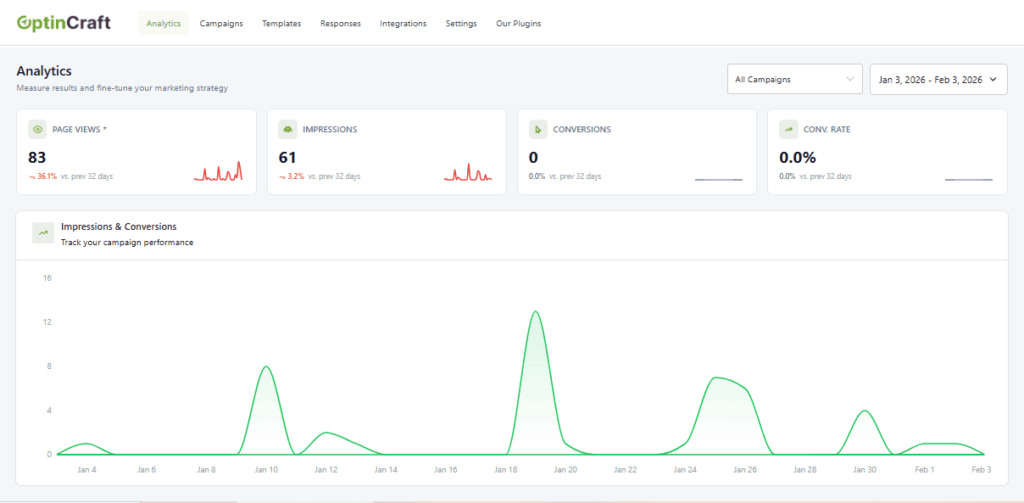
With OptinCraft, you can:
- Target engaged visitors: Trigger popups based on scroll depth, time on page, or behavior patterns.
- Personalize messages: Show offers that match the user’s interest and page content.
- Optimize for mobile: Fully responsive designs that feel natural on any device.
- Track performance: Real-time analytics let you refine timing, messaging, and design for maximum impact.
Whether you want more email signups, free downloads, or sales, OptinCraft turns your scroll-triggered popups into conversion powerhouses.
“The right popup at the right time can convert a casual visitor into a loyal customer — OptinCraft makes that effortless.”
Final Thoughts
Scroll-triggered popups are one of the smartest ways to capture attention without annoying visitors. By appearing at the right moment, they enhance user experience, boost engagement, and increase conversions.
If you’re looking to improve your website performance, scroll-triggered popups are a must-have strategy. Start using them today and turn passive visitors into active customers.
Frequently Asked Questions ( FAQs)
Do scroll-triggered popups increase conversions?
Yes, they increase conversions by targeting engaged visitors.
What is the best scroll percentage for popups?
Most websites use 50% to 70% scroll for best results.
Are scroll-triggered popups better than exit-intent popups?
Both work well, but scroll-triggered popups engage users earlier.
Are scroll-triggered popups mobile-friendly?
Yes, when designed properly for mobile devices.
Can scroll-triggered popups reduce bounce rate?
Yes, they improve engagement and reduce bounce rate.