Many businesses focus only on big goals like sales or sign-ups, but these actions rarely happen right away. When visitors leave without converting, it’s hard to know what went wrong, leading to missed opportunities and wasted effort.
Micro conversions solve this problem. These small actions, like clicks, downloads, or adding items to a cart show user interest and guide customers toward larger goals. By tracking them, businesses can better understand behavior and improve their chances of success.
In this article, we will explore what micro conversions are, why they matter, and how they help improve overall business success. So, without further ado, let’s dig deeper.
What Are Micro Conversions?
Micro conversions are small, low-commitment actions people take on a website or app that show interest or progress toward a bigger goal (called a macro conversion, like making a purchase or signing up).
Think of them as stepping stones that lead to the main conversion.
Simple example
If the main goal is buying a product, micro conversions might be:
- Viewing a product page
- Clicking “Learn more”
- Adding to cart
- Signing up for emails
- Creating an account
- Watching a demo video
Each action doesn’t make money by itself, but it signals engagement and intent.
Why Micro Conversions Matter
Micro conversions matter because they show you how people move toward your main goal, not just whether they reach it.
If you only track big actions (like purchases or sign-ups), you miss everything happening in between. Micro conversions fill in those gaps and help you understand user behavior step by step.
Here’s why they’re important:
1. They show intent early
Most visitors aren’t ready to buy right away.
Small actions like clicking a product, watching a demo, or subscribing to emails signal interest before commitment.
This helps you identify:
- warm leads
- curious users
- likely buyers
2. They reveal where people drop off
If lots of users:
- view a product → but don’t add to cart
or - start signup → but don’t finish
That tells you exactly where the problem is.
Instead of guessing, you can fix specific steps.
3. They improve your funnel
By optimizing small steps, big results follow.
For example:
- Improve “Add to Cart” clicks → more purchases
- Improve email signups → more future sales
- Improve demo views → more conversions
Small improvements compound.
4. They help measure marketing success
Not everyone converts immediately after an ad or post.
Micro conversions help you see:
- which ads attract engaged users
- which pages people actually interact with
- whether campaigns are working before sales happen
5. They predict future conversions
Users who complete more micro actions are much more likely to convert later.
For example:
Someone who:
- visits 3 pages
- downloads a guide
- signs up for emails
is more likely to buy than someone who just visits once and leaves.
Simple takeaway
Macro conversions tell you what happened.
Micro conversions tell you why it happened.
Benefits of Tracking Micro Conversions
Tracking micro conversions matters because it shows what users are doing before they reach your main goal. If you only measure big outcomes like purchases or sign-ups, you miss most of the story. Micro conversions help you understand the steps people take along the way and provide insight into how they think and behave.
1. Understand user behavior
Micro conversions give you a clearer picture of user actions. You can see which pages they explore, what they click on, and which features they interact with. This helps you understand what captures attention and what gets ignored, so you can design a better experience.
2. Get faster feedback
Big conversions can take time and may not happen often. Micro conversions happen more frequently, giving you faster insights. You can quickly tell whether a new page, campaign, or design change is working without waiting weeks for results.
3. Identify drop-off points
Tracking small actions shows where users lose interest or face friction. For example, people might add items to a cart but not complete checkout, or start filling out a form but abandon it halfway. Knowing exactly where drop-offs happen makes it easier to fix these issues.
4. Improve overall conversions
Optimizing small steps in the user journey can lead to more big conversions. If users engage more with minor actions like signing up for a newsletter, watching a demo, or exploring product pages, they are more likely to complete your main goal in the future.
5. Make smarter marketing decisions
Micro conversions show which campaigns or content bring genuinely engaged users, not just traffic. This insight helps you invest in strategies that actually drive results rather than guessing based on numbers alone.
How to Use Micro Conversions Effectively
Micro conversions are only useful if you track and act on them strategically. They are indicators of user interest and engagement, so understanding their role in your funnel is key to turning small actions into bigger results.
Identify the right micro conversions
The first step is to determine which actions are meaningful for your site or app. Not every click or view matters. Focus on actions that show real interest in your product or service, such as watching a demo video, signing up for a newsletter, adding items to a cart, or engaging with interactive content. These actions should naturally lead toward your main conversion goal, giving you insight into user intent.
Track and measure them
Once you know which micro conversions matter, you need to measure them accurately. Use analytics tools to see how users move through your site or app, which actions they take most often, and where they drop off. Tracking patterns over time helps you identify which steps are effective and which need improvement, allowing for data-driven decisions rather than guesswork.
Analyze user behavior
Micro conversions provide context for user behavior. Look for trends, such as which pages encourage users to take small actions or which campaigns drive the most engagement. By understanding these patterns, you can refine your content, design, or calls-to-action to make the user journey smoother and more compelling.
Optimize the conversion funnel
After analyzing behavior, use micro conversions to optimize the funnel. Small changes, like improving a sign-up form, adding clearer buttons, or creating more engaging content, can increase micro conversions. Over time, these small improvements compound and lead to higher macro conversion rates, such as completed purchases or finalized sign-ups.
Use micro conversions for marketing insights
Micro conversions also help evaluate marketing effectiveness. They show which campaigns attract genuinely interested users rather than just driving traffic. By focusing on actions that indicate engagement, you can adjust your marketing strategy, allocate budget wisely, and tailor messaging to the right audience.
Boost Your Conversions with Smart Opt-Ins Using OptinCraft
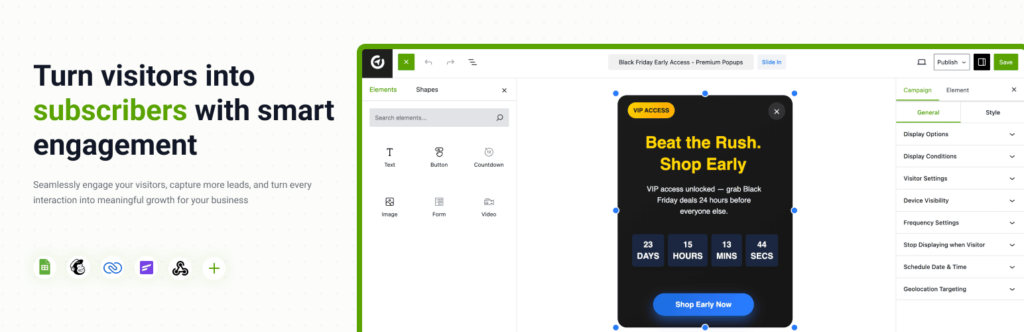
Every visitor is a potential subscriber but only if you reach them at the right moment with the right message. OptinCraft gives you intelligent, behavior-driven opt-ins that turn casual visitors into engaged leads.
With OptinCraft, you understand your audience:
- Trigger-Based Engagement: Show offers when your visitors are most ready to act.
- Data-Driven Insights: Test and optimize every opt-in to maximize conversions.
- Seamless Email Integration: Connect effortlessly with your marketing tools.
- Mobile-First Design: Capture leads on any device, anywhere.
Stop leaving conversions to chance. Use OptinCraft to create smart opt-ins that adapt to your audience and grow your list without the guesswork.
Conclusion
Micro conversions are the small but meaningful actions users take that signal engagement and interest on their way to completing a main goal. While macro conversions like purchases or sign-ups show the final outcome, micro conversions reveal the journey behind it.
Understanding and tracking these small steps allows businesses to identify user behavior, spot drop-offs, optimize the conversion funnel, and make smarter marketing decisions. By paying attention to micro conversions, you gain actionable insights that can steadily improve engagement and ultimately drive bigger results.