E-commerce is entering a new era, where technology, speed, and customer expectations are evolving faster than ever before.
In 2026, AI-driven personalization, social commerce, immersive shopping, and rising sustainability expectations will redefine how consumers shop online.
Brands that adapt early will gain a strong competitive advantage, while those that don’t risk falling behind.
In this article, we’ll explore the key ecommerce trends shaping digital retail in 2026 and, as a bonus, share how a popup plugin can boost conversion rates for your online store.
Major Ecommerce Trends that Redefine The Online Business Globally
The eCommerce landscape is evolving faster than ever, driven by technology, changing consumer behavior, and global connectivity. Businesses that adapt to these shifts are not just surviving, but they are redefining how online commerce works worldwide.
AI-Powered Personalization
Artificial intelligence has become a cornerstone of modern eCommerce, transforming how brands interact with consumers. By analyzing customer behavior, purchase history, and even social media interactions, AI enables hyper-personalized experiences that increase engagement and conversion rates.
For example, Amazon’s recommendation engine is responsible for approximately 35% of its total revenue, showing the power of tailored product suggestions. Beauty retailer Sephora has similarly leveraged AI through its virtual assistant, which provides personalized product recommendations based on users’ skin type, tone, and preferences.
Businesses implementing AI not only see increased sales but also reduced operational costs, as AI-powered chatbots and automated support systems can handle up to 65% of customer inquiries, allowing human agents to focus on complex issues. Overall, AI personalization is no longer a competitive advantage; it is becoming a standard expectation among consumers.
Mobile-First Commerce
Mobile devices now dominate global eCommerce, driving over 59% of online sales worldwide. In regions like Latin America, this figure rises to 84%, indicating that consumers increasingly rely on smartphones and tablets for their shopping needs. As a result, businesses are prioritizing mobile-first platforms, designing websites and apps that are optimized for fast loading, intuitive navigation, and seamless checkout.
Smart popup plugin can capture attention on mobile screens, offering time-sensitive deals or newsletter sign-ups without disrupting the user experience. In social commerce scenarios, popups triggered by traffic from social platforms can capture first-time visitors and convert them into long-term subscribers or customers, ensuring that viral campaigns translate into measurable sales.
Brands such as Shein and Alibaba have built their entire eCommerce strategies around mobile, offering app-exclusive promotions and frictionless payment options. The mobile-first approach also supports rapid adoption of technologies like push notifications, in-app customer support, and personalized offers, all of which help increase engagement and repeat purchases. Mobile commerce is no longer a convenience; it is the primary gateway through which most consumers interact with brands today.
Social Commerce
Social media has evolved beyond content consumption into a direct channel for commerce, with platforms like TikTok, Instagram, and Facebook allowing users to shop without leaving the app. Global social commerce sales reached $1.2 trillion in 2025, and projections indicate continued rapid growth, potentially approaching $2.9 trillion by 2026.
TikTok Shop alone generated an estimated $19 billion in global transactions in Q3 2025, illustrating the power of influencer-driven marketing and live shopping experiences. Social commerce thrives on engagement and immediacy: live streams, short-form videos, and interactive posts create a sense of urgency that drives impulse purchases.
For smaller brands, social commerce provides a level playing field, allowing viral content to translate directly into revenue without the traditional barriers of brick-and-mortar retail.
Voice and Visual Search
Voice and visual search technologies are changing the way consumers discover products online, reducing the friction of traditional typed searches. Approximately 40% of online shoppers now use voice assistants such as Google Assistant to search for products, while visual search adoption is increasing at roughly 30% annually.
Brands like Lowe’s allow customers to snap a photo of an item and find similar products instantly, while fashion retailer ASOS has implemented visual search tools that match user-uploaded images to items in its catalog. These technologies not only simplify the discovery process but also influence purchasing decisions, as users are more likely to complete a purchase when the product they see matches exactly what they want. Optimizing for voice and visual search has therefore become a key competitive strategy in eCommerce.
Sustainable and Ethical Shopping
Consumers are increasingly valuing sustainability and ethical practices in their purchasing decisions. Studies indicate that over 70% of shoppers are willing to pay more for environmentally friendly products, and brands that demonstrate transparency in sourcing, production, and packaging gain significant loyalty.
Companies like Patagonia and Allbirds have built strong brand identities around sustainability, using recycled materials, carbon-neutral production, and transparent supply chains to appeal to conscientious shoppers. This trend is reshaping how businesses approach product development, marketing, and fulfillment, as customers now expect retailers to align with their environmental and ethical values. Sustainability is no longer just a marketing angle; it is a key differentiator influencing purchasing behavior globally.
Cross-Border eCommerce
Cross-border eCommerce is expanding rapidly as consumers seek access to a wider variety of products, competitive pricing, and international brands. In 2025, cross-border online sales reached approximately $2.4 trillion, reflecting growing confidence in global shipping, currency conversion, and logistics solutions.
Platforms like Shopify have made it easier for small and medium-sized businesses to sell internationally, while large brands such as Nike and H&M actively leverage global markets to increase their reach. Cross-border shoppers also tend to have higher average order values, creating an attractive opportunity for brands that can navigate tariffs, localized marketing, and multilingual support effectively.
Omnichannel Integration
Seamless integration between online and offline channels is becoming essential to meet modern consumer expectations. Omnichannel strategies allow customers to buy online, pick up in-store, or return products through multiple touchpoints, enhancing convenience and satisfaction.
Retailers like Walmart and Sephora have perfected this approach, offering features such as real-time inventory visibility, curbside pickup, and integrated loyalty programs. This holistic approach not only improves the customer experience but also increases retention and repeat purchases. In today’s competitive landscape, businesses that fail to provide an omnichannel experience risk losing customers to competitors who offer more seamless interactions.
Payment Innovations
Payment methods are evolving rapidly, with digital wallets and Buy Now, Pay Later (BNPL) options reshaping the checkout experience. Over 50% of global transactions are now completed using digital wallets, while BNPL solutions increase average order value and conversion rates, particularly during high-demand periods like holidays.
As payment options expand and consumers expect seamless experiences, popups can be strategically used to reduce cart abandonment. For instance, when a shopper is about to leave without completing a purchase, a well-timed popup offering a discount or highlighting available payment options like digital wallets or BNPL can recover potentially lost sales, directly impacting revenue growth.
Companies such as Klarna and Afterpay have popularized BNPL globally, allowing consumers to spread payments over time without interest, which encourages higher spending. Payment innovation is therefore not just about convenience rather it directly impacts sales, customer loyalty, and overall revenue growth.
Boost Your Online Sales: How a Popup Plugin Drives Conversions
If you want to turn more visitors into paying customers, OptinCraft is the popup plugin your online store needs. With its intuitive design and smart targeting features, you can capture attention, reduce cart abandonment, and skyrocket conversions, all without annoying your users.

Why Popups Work for Online Stores
Popups grab attention in a way static banners can’t. With OptinCraft, you can:
- Offer discounts to first-time visitors
- Highlight limited-time promotions
- Capture email leads for future marketing campaigns
By presenting the right offer at the right moment, you guide your visitors toward making a purchase.
Smart Targeting Means Higher Conversions
OptinCraft lets you show popups based on visitor behavior, including:
- Exit intent: Catch users before they leave
- Time on page: Engage visitors who are actively reading
- Scroll depth: Trigger offers when users are fully interested
This targeted approach ensures your message reaches the people most likely to convert.
Capture Leads and Grow Your Email List
With OptinCraft, your popups aren’t just for sales but they’re also powerful lead-generation tools. You can integrate seamlessly with email marketing platforms to:
- Build a list of engaged subscribers
- Send personalized offers and discounts
- Nurture leads into loyal customers
Easy to Use, Instant Results
Setting up OptinCraft is simple, even if you’re not tech-savvy. Its drag-and-drop editor allows you to create beautiful popups in minutes. Combine that with ready-made templates optimized for conversions, and you can start seeing results immediately.
Maximize Your Store’s Revenue
By leveraging OptinCraft’s features, your online store can:
- Reduce abandoned carts
- Increase average order value
- Turn casual visitors into repeat customers
Start using OptinCraft today and watch your sales grow faster than ever.
Make Your Store Global: How X-Currency Simplifies Multi-Currency Shopping (Pro Tips)
Selling internationally can be tricky when customers face currency barriers. With X-Currency, you can let shoppers view prices and pay in their local currency, creating a smoother, more trustworthy shopping experience. This simple addition can increase sales and reduce cart abandonment for your WooCommerce store.
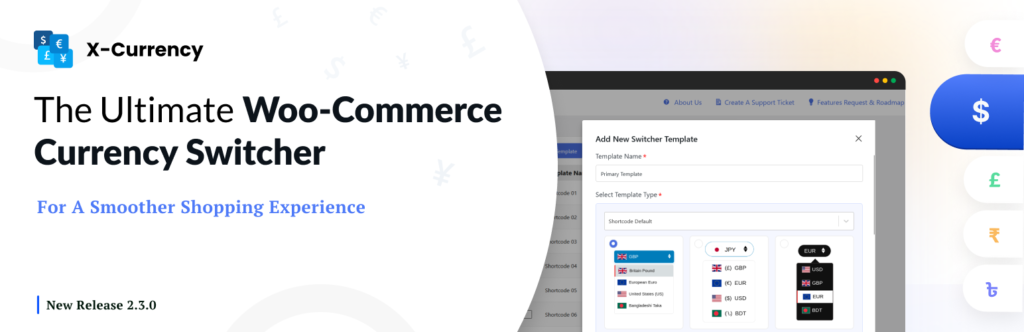
Why Multi-Currency Matters
Customers are more likely to complete purchases when they see prices in their own currency. X-Currency allows you to:
- Automatically detect visitor location and show the correct currency
- Display accurate conversion rates in real-time
- Provide a seamless checkout experience for international buyers
Easy to Use, Fully Customizable
X-Currency is designed for convenience. With just a few clicks, you can:
- Add multiple currencies to your store
- Customize the currency switcher to match your website’s style
- Enable auto or manual switching based on your preference
Boost Sales and Customer Trust
By letting users shop in their preferred currency, you:
- Reduce confusion and hesitation during checkout
- Improve user experience for international visitors
- Encourage repeat purchases from global customers
Seamless WooCommerce Integration
X-Currency works perfectly with WooCommerce and most payment gateways. You don’t need complex setups or coding skills—just install, configure, and start selling globally.
Take Your Store Global Today
With X-Currency, your WooCommerce store is ready for international markets. Offer a localized shopping experience, build trust, and watch your global sales grow effortlessly.
Final Thoughts
As ecommerce continues to evolve, 2026 is shaping up to be a year defined by smarter technology, more personalized experiences, and deeper customer connections. From AI powered tools and immersive shopping formats like AR to sustainable business practices and global expansion with multi currency support, the trends we’re seeing aren’t just innovations, they’re reshaping how customers shop and how brands compete.
Staying ahead means more than adopting new tools, it means understanding why these changes matter. Consumers want faster, easier, and more meaningful interactions with brands. Businesses that prioritize convenience, trust, and relevance will stand out in a crowded market.
By embracing these trends thoughtfully and strategically, ecommerce brands can create stronger customer loyalty, unlock new revenue streams, and build stores that are not only efficient but genuinely delightful to shop. The future of ecommerce isn’t just digital, it’s intelligent, customer driven, and full of opportunities for those ready to adapt.