CRO Marketing: The Ultimate Guide to Conversion Rate Optimization

William Tan
William Tan is a Digital Marketer at Crafium,…
In this article
Most websites struggle with one major problem: they get traffic but fail to convert visitors into customers. You invest in SEO, paid ads, and content marketing, yet your conversion rates remain frustratingly low. This leads to wasted budget, missed opportunities, and stagnant growth.
CRO marketing solves this exact problem by focusing on what truly matters, turning your existing traffic into measurable results. Instead of chasing more visitors, it helps you maximize the value of every click through data-driven insights and user behavior analysis.
In simple terms, CRO marketing is the process of improving your website or app to increase the percentage of users who take a desired action, whether that is making a purchase, signing up, or filling out a form. It combines psychology, analytics, and testing to create experiences that convert consistently.
What is CRO Marketing and Why It Matters
CRO marketing, short for Conversion Rate Optimization marketing, is the practice of enhancing your digital assets to increase conversions without increasing traffic. It is one of the most cost-effective growth strategies because it focuses on improving what you already have rather than acquiring new users.
In today’s digital ecosystem, competition is intense and user attention is limited. Businesses that rely solely on traffic acquisition often hit a ceiling. CRO breaks that ceiling by improving how users interact with your website, ensuring that every visitor has a higher chance of converting.
When implemented correctly, CRO marketing improves not only revenue but also user experience. A well-optimized website feels intuitive, loads faster, communicates clearly, and builds trust, all of which contribute to better engagement and higher conversions.
How CRO Marketing Works in Practice
CRO marketing is not guesswork. It is a structured, data-driven process that revolves around understanding user behavior and continuously improving the user journey.
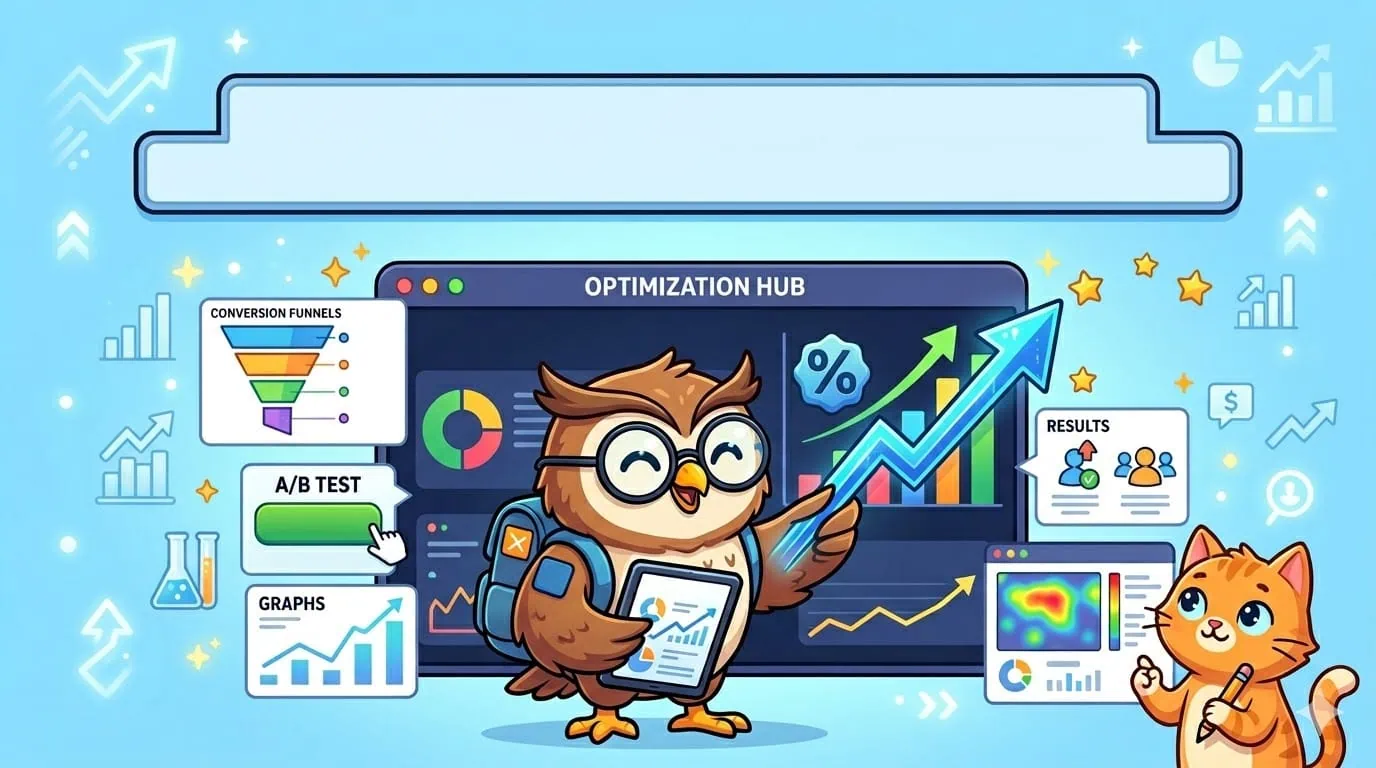
It begins with analyzing user data through tools like heatmaps, session recordings, and analytics dashboards. These insights reveal where users drop off, what confuses them, and what motivates them to act. Once these friction points are identified, marketers create hypotheses and test improvements through controlled experiments.
The most common method used is A/B testing, where two versions of a page are compared to determine which performs better. Over time, these incremental improvements compound, leading to significant increases in conversion rates.
Key Elements of a High-Converting CRO Strategy
1. User experience optimization
User experience plays a central role in CRO marketing. If visitors find your website difficult to navigate or slow to load, they will leave before converting. Improving UX involves simplifying navigation, enhancing mobile responsiveness, and ensuring fast page load times.
A smooth and intuitive experience builds trust and encourages users to stay longer and explore more, increasing the likelihood of conversion.
2. Landing page optimization
Your landing pages are where conversions happen. Every element on the page must serve a purpose, from headlines and visuals to call-to-action buttons.
Effective landing pages focus on clarity, relevance, and persuasion. They clearly communicate the value proposition, address user pain points, and guide visitors toward taking action without distractions.
3. Data-driven decision-making
Successful CRO marketing relies heavily on data rather than assumptions. Analytics tools help identify patterns in user behavior, allowing marketers to make informed decisions.
By continuously analyzing and refining strategies based on real data, businesses can achieve sustainable growth and avoid costly mistakes.
4. Conversion funnel optimization
Every user goes through a journey before converting. This journey is known as the conversion funnel. CRO marketing focuses on optimizing each stage of the funnel to reduce drop-offs.
From awareness to decision, every step must be aligned with user intent. Small improvements at each stage can lead to significant increases in overall conversion rates.
Proven CRO Marketing Strategies That Work
Improve website speed and performance
Speed is a critical factor in conversion rates. Even a slight delay can result in lost customers. Optimizing images, reducing unnecessary scripts, and using reliable hosting can significantly improve performance.
A fast-loading website keeps users engaged and reduces bounce rates, directly impacting conversions.
Craft compelling call to actions
A strong call to action can make or break your conversion strategy. It should be clear, persuasive, and action-oriented. Instead of generic phrases, use language that emphasizes value and urgency.
Well-placed and visually distinct CTAs guide users toward the desired action and improve overall conversion rates.
Use social proof and trust signals
Trust plays a major role in decision-making. Testimonials, reviews, case studies, and trust badges help build credibility and reduce hesitation.
When users see that others have had positive experiences, they are more likely to convert.
Leverage personalization
Personalization enhances user experience by delivering relevant content based on user behavior and preferences. Tailored recommendations, dynamic content, and targeted messaging can significantly boost conversions.
Modern users expect personalized experiences, and CRO marketing leverages this expectation to drive results.
Benefits of CRO Marketing for Businesses
CRO marketing offers multiple benefits that go beyond increased conversions. It improves return on investment by maximizing the value of existing traffic. Instead of spending more on acquisition, businesses can achieve better results with the same resources.
It also enhances user satisfaction by creating a seamless and enjoyable experience. Happy users are more likely to return, recommend your brand, and become loyal customers.
Additionally, CRO marketing provides valuable insights into customer behavior, helping businesses make smarter decisions and stay ahead of competitors.
Tools That Power CRO Marketing Success
To execute CRO marketing effectively, businesses rely on a combination of analytics and testing tools. These tools provide insights into user behavior and enable continuous optimization.
Platforms like Google Analytics help track performance metrics, while heatmap tools reveal how users interact with your website. Testing tools allow marketers to run experiments and validate improvements.
Using the right tools ensures that your CRO efforts are data-driven and results-oriented.
The Future of CRO Marketing
CRO marketing is evolving rapidly with advancements in technology and user expectations. Artificial intelligence and machine learning are playing a growing role in analyzing data and predicting user behavior.
As competition increases, businesses will need to adopt more sophisticated CRO strategies to stay relevant. Personalization, automation, and real-time optimization will become essential components of successful CRO marketing.
Companies that invest in CRO today will be better positioned to adapt to future trends and maintain a competitive edge.
Why OptinCraft is a Game Changer for CRO Marketing
When it comes to implementing CRO marketing effectively, having the right tool can make all the difference, and OptinCraft stands out as a powerful solution designed to turn visitors into leads and customers.
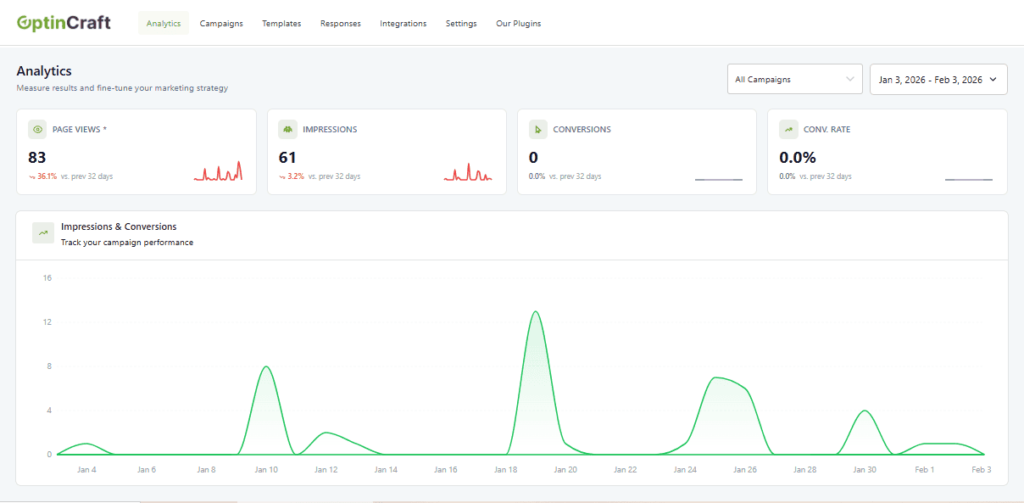
Instead of relying on generic popups or outdated lead capture methods, OptinCraft focuses on high-converting, behavior-driven optin experiences that align perfectly with modern CRO strategies.
What makes OptinCraft especially valuable is its ability to target users at the right moment. Whether it is exit intent triggers, scroll-based activation, or time-delayed popups, the platform ensures that your offers are shown when users are most likely to engage. This level of precision helps reduce bounce rates while significantly increasing conversions.
Another major advantage is its flexibility in design and customization. OptinCraft allows you to create visually appealing and conversion-focused campaigns without compromising user experience. From email capture forms to promotional banners, every element can be tailored to match your brand and messaging, ensuring consistency across your funnel.
Beyond design, OptinCraft also supports A/B testing, allowing you to experiment with different variations and continuously optimize performance. This aligns perfectly with the core principle of CRO marketing, which is testing, learning, and improving based on real user data.
If your goal is to maximize conversions without increasing traffic, integrating a tool like OptinCraft into your CRO strategy is not just helpful, it is essential. It empowers you to capture more leads, improve engagement, and ultimately drive more revenue from the traffic you already have.
Conclusion
CRO marketing is no longer optional in a competitive digital landscape. It is a fundamental strategy for businesses that want to grow sustainably and maximize their marketing efforts.
By focusing on user behavior, leveraging data, and continuously optimizing the user experience, CRO marketing transforms ordinary websites into powerful conversion engines. The key is consistency, testing, and a deep understanding of what drives user decisions.
Frequently Asked Questions (FAQs)
What is CRO marketing in simple terms
CRO marketing is the process of improving your website or app to increase the percentage of visitors who take a desired action. It focuses on optimizing user experience, design, and messaging to boost conversions without increasing traffic.
Why is conversion rate optimization important?
Conversion rate optimization is important because it helps businesses generate more revenue from existing traffic. It reduces acquisition costs, improves user experience, and ensures that marketing efforts deliver maximum returns.
What are the best CRO strategies for beginners?
Beginners should focus on improving website speed, simplifying navigation, creating clear calls to action, and using data analytics to understand user behavior. Starting with small, measurable changes can lead to significant improvements over time.
How do you measure CRO success?
CRO success is measured using metrics like conversion rate, bounce rate, average session duration, and revenue per visitor. Tracking these metrics helps identify what works and where improvements are needed.
What tools are used for CRO marketing
Common CRO tools include analytics platforms, heatmap tools, and A/B testing software. These tools provide insights into user behavior and help marketers test and implement optimization strategies effectively.
How long does CRO take to show results?
CRO results can vary depending on traffic volume and testing frequency. Some improvements may show results within weeks, while more complex strategies may take several months to deliver significant gains.
Tags:
Share this blog:

About William Tan
William Tan is a Digital Marketer at Crafium, specializing in WordPress solutions and online growth strategies. He’s passionate about helping businesses expand their digital presence through smart marketing and data-driven insights.