Popup Timing: How to Get It Right for Maximum Opt-in Rates

William Tan
William Tan is a Digital Marketer at Crafium,…
In this article
Popups can either convert visitors or drive them away. The difference often comes down to one thing: timing.
Show a popup too soon and it feels intrusive. Show it too late and the opportunity is gone. But when it appears at the right moment, it feels helpful, natural, and easy to say yes to.
In this blog post, you’ll learn how to time your popups based on real user behavior so you can boost opt-in rates, protect the user experience, and turn more visitors into subscribers.
Why Popup Timing Matters
Popup timing can make or break your opt-in strategy. Even the most compelling offer, beautiful design, or persuasive copy won’t convert if it appears at the wrong moment.
In fact, poor timing often does more harm than good, interrupting visitors, damaging trust, and driving them away before they ever engage.
At its core, timing is about respecting attention. When someone lands on your site, they’re trying to accomplish something—read an article, browse products, compare pricing, or complete a purchase. If a popup blocks their view immediately, it feels intrusive.
But if it appears after they’ve shown interest or engagement, it feels helpful and relevant.
1. It protects the user experience
First impressions happen fast. A popup that appears the second a page loads can frustrate visitors before they even understand what your site offers. This often leads to:
- Higher bounce rates
- Shorter session times
- Lower trust
By waiting until users are settled in scrolling, reading, or exploring that you create a smoother experience that keeps them engaged longer.
2. It increases relevance
Timing helps match your message to user intent. For example:
- A reader halfway through a blog post may welcome a related guide or checklist
- A shopper about to leave might respond to a discount
- A returning visitor might be ready to subscribe or start a trial
Showing the right offer at the right moment makes your popup feel like assistance rather than interruption.
3. It improves conversion rates
Well-timed popups consistently outperform poorly timed ones because they target engaged users. When someone has already invested time or shown interest, they’re naturally more likely to opt in.
Simple adjustments like delaying a popup by 20–30 seconds or triggering it after 50% scroll can significantly increase sign-ups without changing the offer itself.
4. It reduces annoyance and popup fatigue
Repeated or poorly timed popups train visitors to ignore them or leave your site entirely. Smart timing, combined with frequency controls, prevents overexposure and keeps your popups effective instead of irritating.
5. It builds trust with your audience
Ultimately, good timing signals respect. It shows you value your visitor’s experience more than forcing an immediate conversion. That trust pays off with higher engagement, more subscriptions, and stronger long-term relationships.
Core Popup Timing Triggers
There are several proven ways to trigger popups. Each has its own advantages depending on your goals and audience behavior.
1. Time-based delay
This method shows a popup after the visitor has spent a certain amount of time on the page (e.g., 20–30 seconds). It works well for readers who are genuinely engaging with your content.
Tips:
- Start testing at 20–30 seconds.
- Adjust based on your page’s average session duration.
2. Scroll-based trigger
Scroll-based popups appear after a user has scrolled through a percentage of the page (typically 40–70%). This ensures the visitor is interested enough to consume the content.
Best for: Blog posts, long-form guides, or content-heavy pages.
3. Exit-intent trigger
Exit-intent popups detect when a user is about to leave your site (e.g., moving their cursor toward the browser’s close button or back button). These are perfect for capturing abandoning visitors with last-minute offers.
Best for: Discounts, lead magnets, or cart recovery messages.
4. Behavior-based trigger
Behavior-based triggers rely on visitor actions, such as:
- Viewing multiple pages
- Adding items to a cart but not purchasing
- Returning to the site after a previous visit
This method allows highly targeted, personalized popups that feel relevant rather than interruptive.
5. Event-based trigger
Event-based popups appear after specific user interactions, like:
- Clicking a button
- Completing a quiz
- Watching a video
Because the visitor initiates the interaction, these popups usually convert very well and feel least intrusive.
How to Get a Popup Right for Maximum Opt-in Rates
Getting popups right isn’t about showing them more often. It’s about showing them at the right moment, to the right person, with the right message.
When popups feel helpful instead of interruptive, visitors are far more likely to subscribe, sign up, or take action.
Here’s how to structure your popup strategy to consistently improve opt-in rates without hurting user experience.
Start with visitor intent, not triggers
Before choosing when a popup appears, ask what this visitor is trying to do right now.
Someone reading a blog post behaves differently than someone checking pricing or adding items to a cart. Timing should reflect that intent.
For example:
• Content readers respond better to delayed or scroll based popups
• Product browsers prefer contextual offers
• Leaving visitors respond well to exit intent discounts
When timing aligns with user goals, your popup feels relevant instead of disruptive.
Delay the first interaction
Showing a popup the instant a page loads is one of the fastest ways to lose trust. Visitors haven’t even had time to understand your site yet.
Give them space to engage first.
A short delay typically 20 to 30 seconds allows users to:
• Start reading
• Assess your content
• Decide if they’re interested
Once they’re invested, they’re more open to subscribing.
Use engagement-based triggers
Behavior tells you more than time alone. Instead of guessing when someone is ready, use signals that show genuine interest.
Effective triggers include:
• Scrolling 50 to 60 percent down the page
• Viewing multiple pages
• Spending time on product details
• Clicking buttons or interacting with content
These actions indicate higher intent, which naturally leads to better conversions.
Match the offer to the moment
Even perfect timing won’t help if the offer doesn’t fit the context.
Think about what would feel useful right now.
For example:
• On blog posts free guides, checklists, or newsletters
• On product pages discounts or free shipping
• On pricing pages demos or consultations
• On exit last chance offers
When the offer solves an immediate need, opting in feels like a benefit, not a trade off.
Keep it non-intrusive
Aggressive popups hurt performance. If users feel trapped, they’ll leave.
Instead:
• Use slide ins or smaller overlays
• Avoid blocking the entire screen
• Make closing easy
• Keep forms short name and email is usually enough
The easier it feels to interact, the more likely people are to convert.
Set frequency limits
Even great popups become annoying when shown too often. Repetition leads to popup blindness or frustration.
Control exposure by:
• Showing once per session
• Hiding after a user closes it
• Suppressing for users who already subscribed
• Limiting repeats over several days
Less exposure often leads to higher quality opt ins.
Optimize for mobile separately
Mobile users have less patience for interruptions. Full-screen pop-ups can feel overwhelming on small screens.
Improve mobile results by:
• Using banners or slide ins
• Triggering later than desktop
• Keeping copy short
• Minimizing form fields
A lighter approach improves both user experience and conversions.
Test and improve continuously
There’s no perfect timing that works for every site. The best results come from testing.
Experiment with:
• Different delays
• Scroll percentages
• Exit intent versus timed triggers
• Offers and copy
Track metrics like opt in rate, bounce rate, and revenue impact. Small changes in timing can lead to big gains.
Focus on value first
Ultimately, timing only works if the popup provides real value. Visitors exchange their email for something useful. Make sure the benefit is clear and compelling.
Ask yourself:
• Is this worth their attention
• Would I sign up for this
If the answer is yes, your timing strategy will amplify results.
Promote Smarter Popups With OptinCraft
Even with the best timing strategy, managing triggers, testing variations, and optimizing performance manually can get complicated fast. That’s where the right tools make a difference. A dedicated platform like OptinCraft helps you automate popup timing and fine tune every interaction without guesswork.
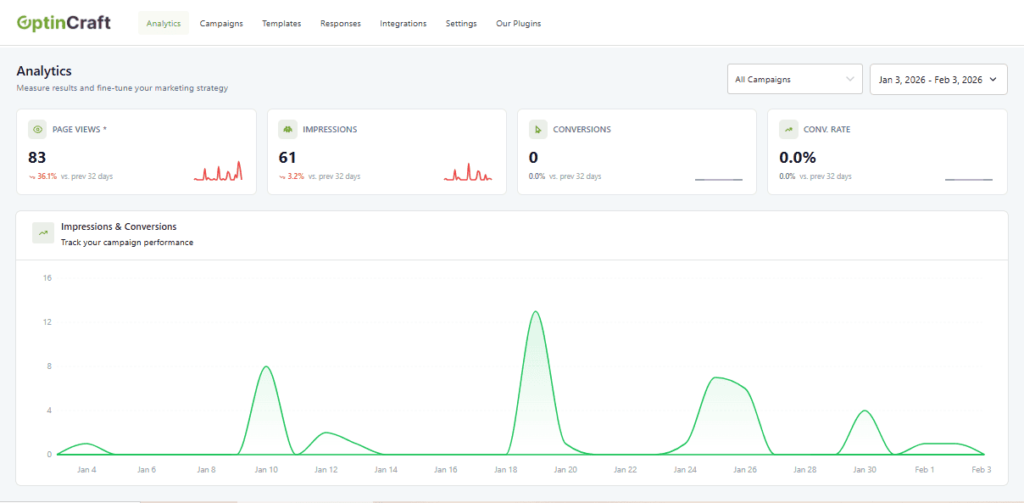
Instead of relying on fixed delays or one-size fits all rules, you can use smarter targeting and behavior- based triggers to show the right popup at exactly the right moment.
With a specialized solution, you can:
• Trigger popups based on scroll depth, time on page, or exit intent
• Segment visitors by traffic source, device, or behavior
• Control frequency so users never feel overwhelmed
• A B test different timing strategies and offers
• Track opt in rates and conversions in real time
This means fewer interruptions and more relevant experiences for your visitors.
The biggest advantage is speed. Rather than constantly adjusting code or plugins, you can launch, test, and optimize campaigns in minutes. That allows you to quickly discover which timing combinations drive the highest opt in rates for your audience.
If your goal is to grow your list while keeping the user experience smooth, using a platform built specifically for popup optimization helps you move from guesswork to data-driven decisions and consistently higher conversions.
Final Thoughts
Getting popups right is about balance. Respect the visitor’s experience, wait for engagement, and present relevant offers at natural moments. When your popups feel helpful rather than pushy, opt-in rates rise and your audience grows without frustration.
Done well, timing turns popups from interruptions into opportunities.
Tags:
Share this blog:

About William Tan
William Tan is a Digital Marketer at Crafium, specializing in WordPress solutions and online growth strategies. He’s passionate about helping businesses expand their digital presence through smart marketing and data-driven insights.